
Think beyond the appointment day.
Ask about the routine, keep useful notes and bring ordinary-life observations into the next conversation.
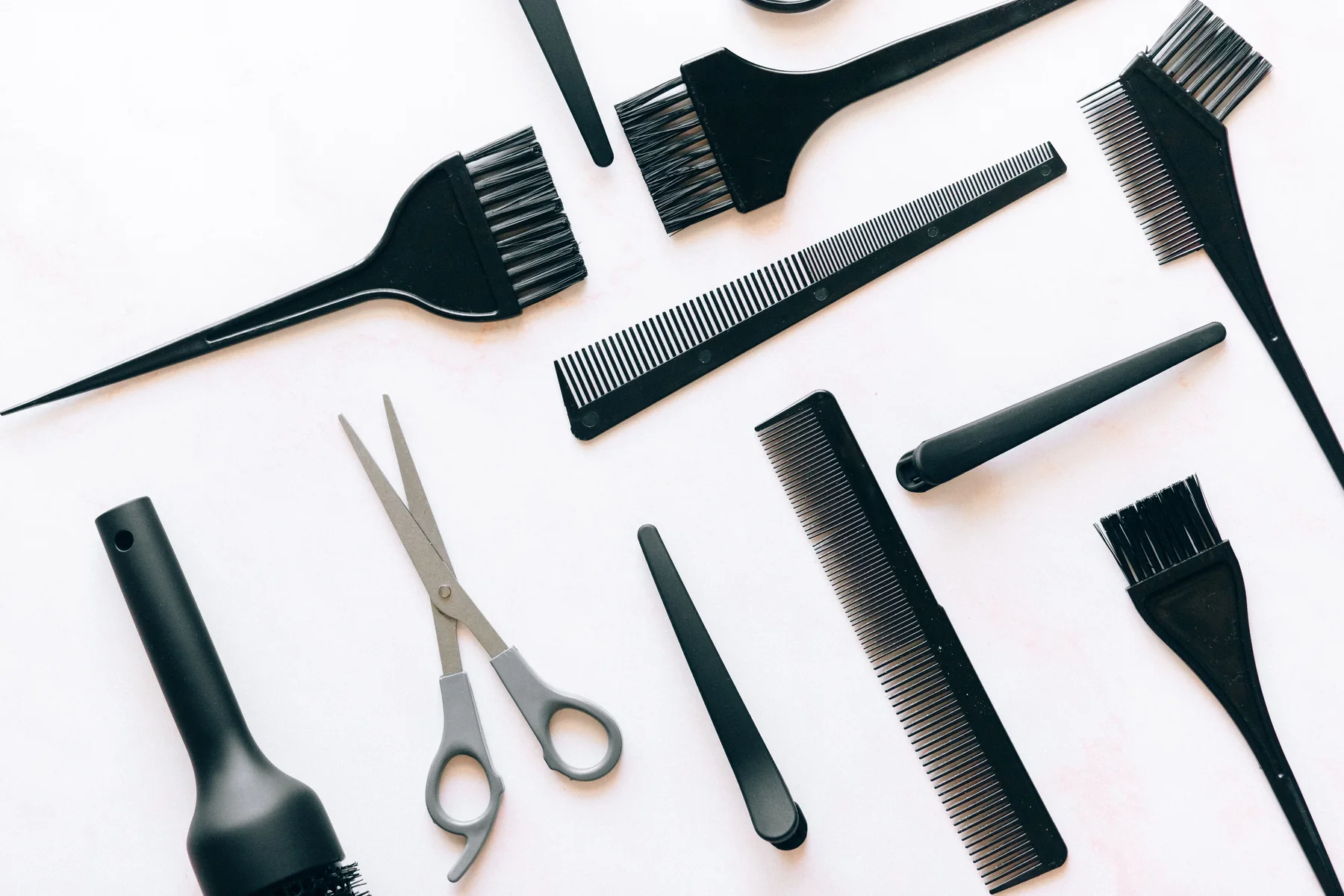
A haircut becomes part of ordinary life after the appointment. You see it on mornings with plenty of time and on days when you would rather do less. The useful question is how the shape and the routine fit the way you want to live. Talk about that before agreeing to a change, then keep a few concrete observations for the next conversation.
Explain the routine you want.
Tell the stylist which parts of styling you enjoy and which you would prefer to keep simple. You may want options for different days rather than one carefully finished appearance all the time. Describe your actual habits and ask what the proposed look would involve. A routine demonstrated in an appointment should be understood in relation to the time, tools and attention you choose to give it at home.
Discuss everyday practical needs too. You might want to keep hair away from your face, wear particular headwear or tie it back for an activity. Explain the situation rather than assuming the stylist will infer it. Ask how the proposal relates to that need and what would be useful to consider. There is no single answer in this guide that applies to every person or haircut.
Ask for an explanation you can use.
If the stylist demonstrates a routine, ask them to describe the purpose of each step and which parts are optional. Make a short note in your own words. A list of product names alone may not help you remember why they were suggested or how they relate to your preferences. Ask about the relevant product instructions and the exact item being discussed, rather than filling in a missing detail from memory.
This article does not provide chemical-service instructions, heat settings or personal treatment advice. Keep those questions with the appropriate professional and the product’s own instructions. Skilled Trades Ontario’s hairstylist profile offers general professional context, while the assessment of your actual service belongs in the consultation. Use an appropriately qualified health professional for health concerns.
Notice the shape in your own week.
After the visit, record a few specific observations. You might find that one part is easier to arrange than expected, that a feature behaves differently when you choose less styling, or that you want a clearer explanation of a step. Keep the description focused on what you notice. It will be easier to discuss than a broad conclusion that the whole result is either right or wrong.
If a photograph helps explain a question, use an appropriate verified channel when contacting the salon and share only what is needed. Keep the appointment details available. The responsible business can explain its own follow-up process; this guide does not promise an adjustment or a particular outcome. A clear question and an accurate account of what was agreed are useful starting points.
Discuss future visits without a universal timetable.
Ask what changes the stylist expects you may want to discuss as the shape grows, and how those relate to your own preferences. Compare the suggested pattern with your calendar and priorities. A general interval printed in an article would not capture every haircut, service or personal routine, so this guide does not prescribe one. The useful plan is one you understand and can choose deliberately.
You can also ask what information to bring next time. A note about the features you liked, the routine you actually used and any uncertainty in the original explanation can make the next conversation more precise. Keep confirmed appointment arrangements separate from a general suggestion to return. If you do make another booking, read the current confirmation and conditions from the business.
Let the next conversation build on the last.
You do not need to arrive with a complete technical solution. Bring the observation, say why it matters in your everyday life and ask what options could address it. A useful relationship develops through clear information in both directions. Revisit preparing for a consultation to organise those notes, or use the complete salon-selection guide when you are considering a different provider or a broader change.
Sources and useful reading
KEEP THE CONVERSATION GOING
A useful next step.
Browse the other guides or open the official local resources.
Explore the guides